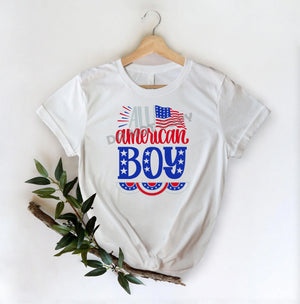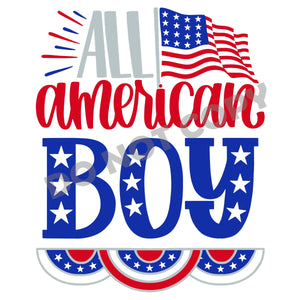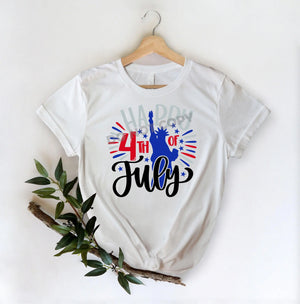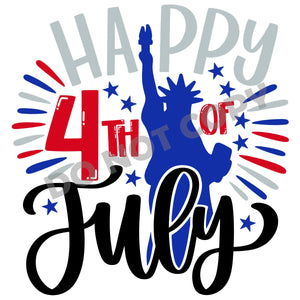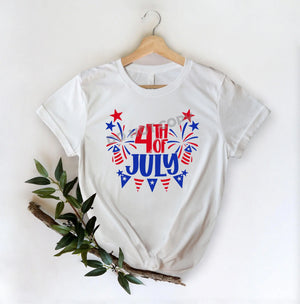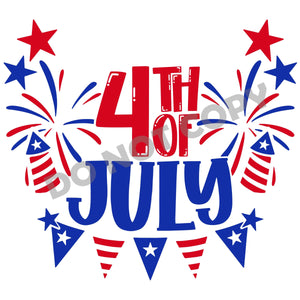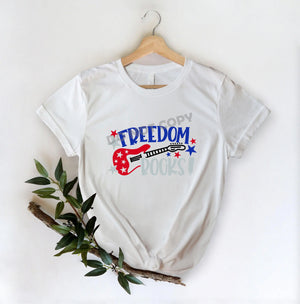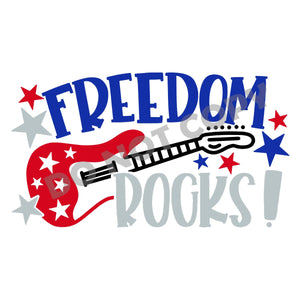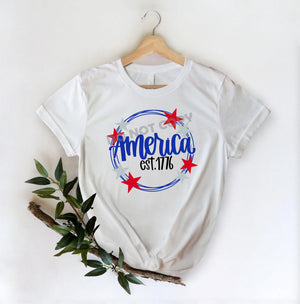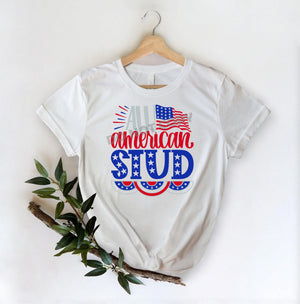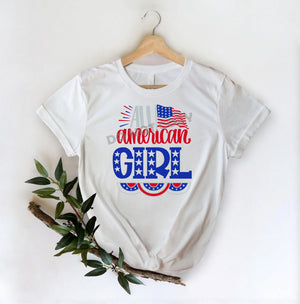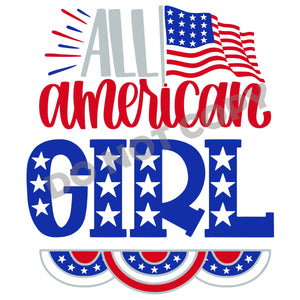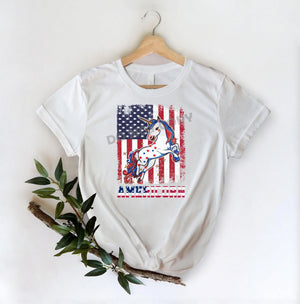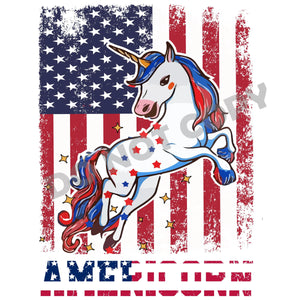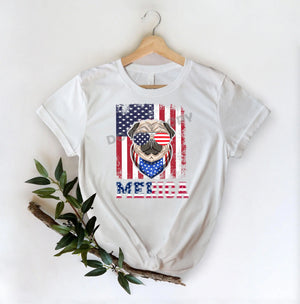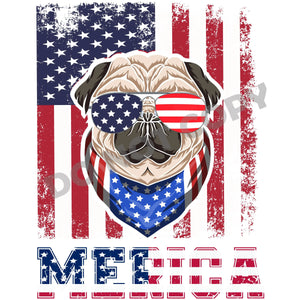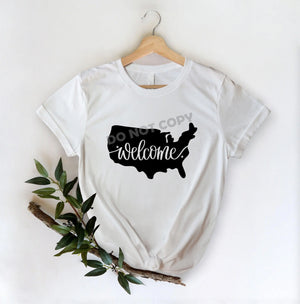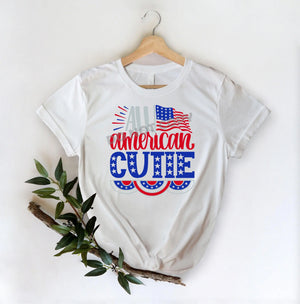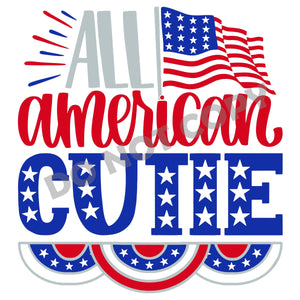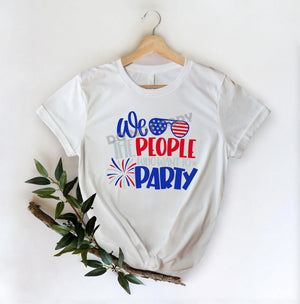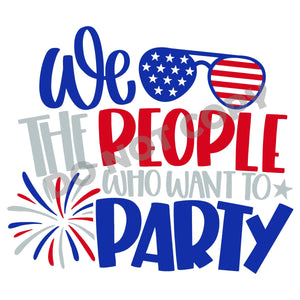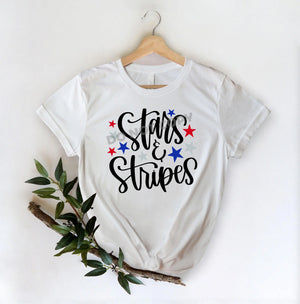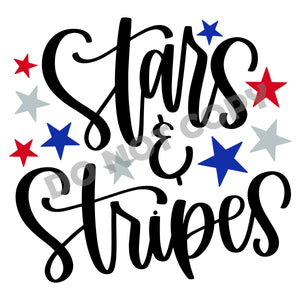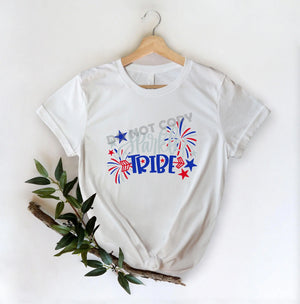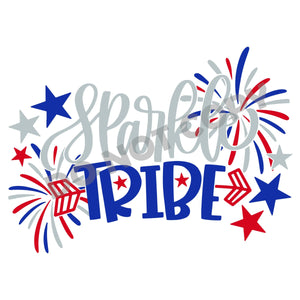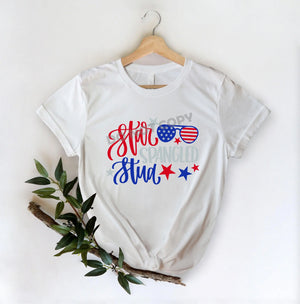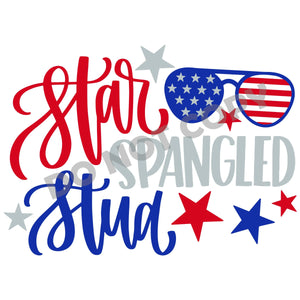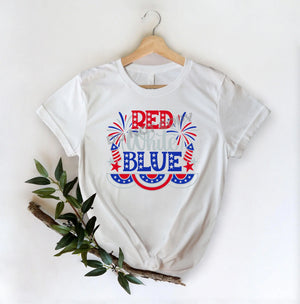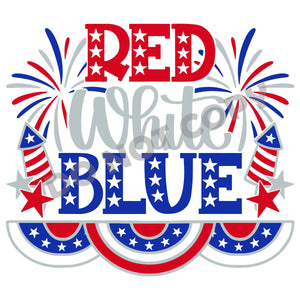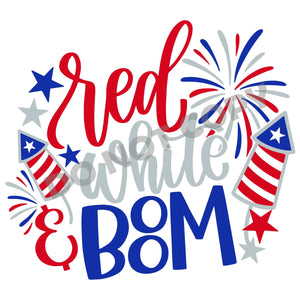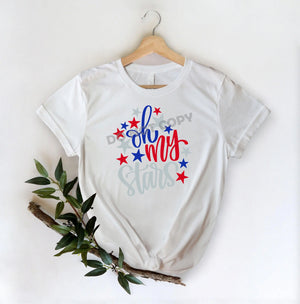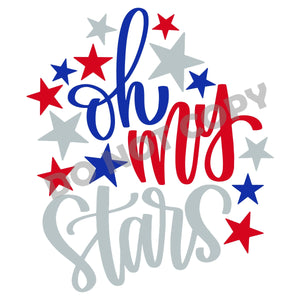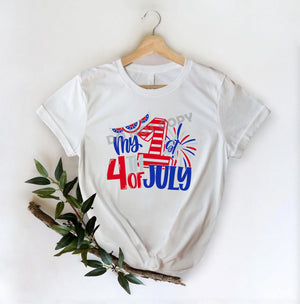
4th of july dtf transfers

Our Best Products

Skip to product grid

  • Gang Sheet Builder PicassoPrint Gang Sheet Builder
    -$4.01
    Vendor:
    PicassoPrint

    Gang Sheet Builder

    124 total reviews

    Regular price From $3.99
    Regular price $8.00 -$4.01 Sale price From $3.99
  • DTF Transfers By Size Picasso Print DTF DTF Transfers By Size
    Vendor:
    Picasso Print DTF

    DTF Transfers By Size

    5 total reviews

    Regular price From $0.50
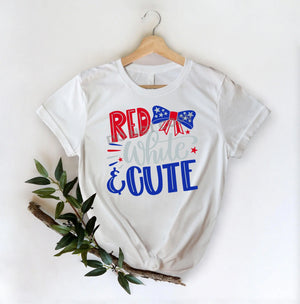
    Regular price $0.00 Sale price From $0.50
  • DTF Transfers Custom Size Picasso Print DTF DTF Transfers Custom Size
    Vendor:
    Picasso Print DTF

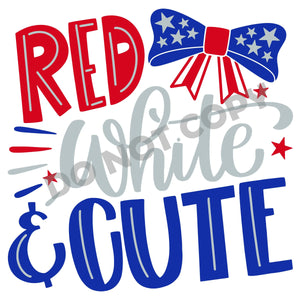
    DTF Transfers Custom Size

    2 total reviews

    Regular price From $1.40
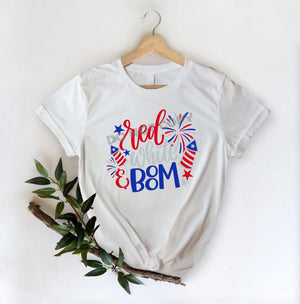
    Regular price $0.00 Sale price From $1.40

Commercial 4th Of July DTF Transfers For High-Output Summer Production

Getting your shop ready for summer means prepping for tight turnaround times and massive volume spikes. We know how brutal June can be when patriotic orders stack up all at once. If your shop is printing custom independent apparel, you need film options that press clean without cracking or washing away.

Our trade-ready 4th of July DTF Transfers give you perfect, retail-grade results on everything from standard ringspun cotton to synthetic athletic blends. Whether you are building an initial inventory for an online boutique or running a high-volume mechanical heat press for regional events, these multi-color transfers eliminate setup roadblocks and labor-heavy weeding tasks entirely.

Explore a range of DTF Transfers for seasonal rush today to start printing. 

Why Modern Decoration Facilities Are Replacing Screen Setup Routines With Digital Film

Seasonal deadlines leave zero room for mechanical errors or prolonged setup blocks. For decades, traditional screen printers owned the holiday marketplace. However, processing complex multi-colored artwork requires burning multiple screens, tedious pin registration, frequent flashing, and exhaustive cleanups that drain your daily floor capacity.

When running batches below 300 garments, standard screen expenses destroy your overall profit margins. Ready-to-apply transfer films circumvent the screen darkroom completely. You deliver the identical flexible feel and stretch profile of water-based ink deposits without dealing with registration shifts on intricate star-spangled graphics.

Comparing Production Methods For Holiday Apparel

Traditional screen printing requires extensive preparation. You spend 45 to 60 minutes per design burning screens and setting up registration. The complexity is strictly limited by your station count, and a short run of 24 pieces averages a high cost of $8.50 per individual item. While the washing durability is excellent at over 50 cycles, the high setup means minimum run volumes of 36 to 72 garments are mandatory to stay profitable.

Using custom digital films from Picasso Print DTF completely bypasses these physical limitations. Prep time drops to zero minutes. You can process complete tonal gradients and unlimited colors for a flat film cost of $2.25 to $3.50 per layout. It matches the excellent 50+ wash durability of screen printing but requires absolutely no minimum run volume, allowing you to decorate a single item profitably.

Basic heat transfer vinyl cutting represents the slow lane. It demands 15 to 20 minutes of cutting and manual weeding per sheet. You are restricted to a single color per layer, meaning multi-colored patriotic graphics require stacking heavy vinyl sheets. This pushes short-run material and labor expenses to $4.00 per item while offering low durability, as stacked vinyl is highly prone to edge lifting after 15 to 20 washes.

Production Parameters For Heat Pressing Holiday Apparel

Securing a premium finish requires tight control over temperature, structural pressure, and dwell time. Summer apparel often uses deep navy tones, stark whites, and vivid reds. Incorrect heating profiles create severe dye migration on activewear or incomplete glue melting on thick canvas blanks.

The Professional Application Sequence

To guarantee your summer merchandise handles sun exposure and constant washing, apply these tested production variables on your shop heat press:

  1. Moisture Extraction: Press your unprinted garment for 5 seconds at 300°F to clear fabric dampness and factory wrinkles.
  2. Graphic Alignment: Position your transfer film onto the target garment, maintaining a clean three-finger spacing down from the collar line.
  3. Primary Heat Cycle: Press at 310°F for exactly 12 seconds with medium-high force (60 PSI on pneumatic setups or 7 on manual adjustment dials).
  4. Thermal Dissipation: Extract the garment carefully from your lower platen. Let the hot-melt adhesive cool down fully to room temperature before peeling.
  5. Finishing Post-Press: Place a protective matte finishing sheet over the exposed print and cycle for 5 seconds to lock the ink layer.

Technical Breakdown Of Our 4th Of July DTF Transfers Collection

Our summer inventory features ultra-high-resolution graphics developed specifically for commercial decorators. Every single art file is processed at 300 DPI within a CMYK profile to make sure your cured physical prints look identical to your approved customer mockups.

Vintage Americana Graphics

Weathered designs and classic textures dominate the modern seasonal market. This specific segment features historical flags, retro collegiate lettering, and distressed line art. These files work perfectly for local community gatherings where a softer, broken-in style is desired.

Contemporary Political Styling

For shops serving highly targeted consumer groups, our layout includes high-resolution Trump DTF Transfers. These bold designs feature clean line work, sharp details, and deep patriotic colors. A heavy white backing layer ensures your fine text lines stay completely opaque on dark shirts without any underlying fabric bleeding through.

Distressed Art Prints

Clean typography mixed with fine halftone dots sells exceptionally well to high-end online retailers. These 4th of July Prints utilize strategic negative space, letting the base garment color show through naturally. This specific technique lightens the print weight and improves garment breathability during hot weather events.

Customer Success Story: Surviving The Independence Day Rush In A Pinch

The Baseline Operation

An independent apparel decorator running a home-based digital shop in Omaha, Nebraska, specialized in fast-turnaround apparel for regional youth sports teams and local retail vendors.

The Production Bottleneck

An e-commerce client suddenly placed an order for 850 custom high-density patriotic hoodies right at the beginning of June. The shop operator initially planned to use a standard roll-fed plotter to cut multi-layered heat transfer vinyl. After calculating the shop metrics, the operator realized that weeding the stars and stripes out of 850 individual graphic sheets would take roughly 42 hours of nonstop manual picking. This massive bottleneck threatened to delay the delivery deadline past the holiday weekend.

The Turnaround Strategy

The owner decided to completely ditch the vinyl plotter for this contract. After converting the multi-colored artwork files into optimal print layouts, the operator outsourced the film printing entirely, requesting pre-cured, ready-to-press digital film components.

The Final Metrics

The outsourced films arrived sorted and pre-cut. Operating a single heavy-duty manual clamshell press, the owner decorated all 850 hoodies over the course of two normal 8-hour work shifts.

  • Active Press Time: 15 total hours.
  • Scrap Rate: Zero ruined garments due to bad weeding or alignment errors.
  • Total Revenue Earned: $22,100 on the completed invoice.
  • Net Savings: Slashed projected processing labor by 27 hours while successfully keeping the retail storefront open for regular walk-in buyers.

Resolving Environmental Pressing Issues On The Shop Floor

High relative humidity and shifting ambient room temperatures can ruin sensitive film coatings, leading to film curling or powder clumping problems. Utilizing pre-cured commercial transfers isolates your shop from these unpredictable workshop variables.

Stopping Poly Dye Bleed on Summer Activewear

When flashing bright red or white inks onto 100% polyester jersey blanks, the synthetic disperse dyes can vaporize under high heat. This turns your crisp white prints pink or dull grey. Our backing powder uses an advanced chemical barrier that completely locks gas movement, preserving your bright whites and clean reds.

Securing True Washing Endurance

Retail buyers demand that their summer merchandise survives repeated washing cycles and pool chemistry. If a print edge peels after two trips through a washing machine, you lose that account permanently. Our hot-melt powder stays fully flexible, allowing the design to stretch across the fabric weave without splitting.

Maximizing Material Yield With 4th of July Iron-On Transfers

If your customer group demands small, unpredictable orders, stocking individual 4th of July Iron-Ons gives you total on-demand flexibility. You do not need to print hundreds of shirts ahead of time just to watch them sit on warehouse shelves. Keep your loose films filed in dry storage boxes and press them only when your customer pays at the counter.

Advanced Ink Densities For Professional Fabric Designers and Decorators 

For volume operations utilizing automated equipment, increasing hourly output requires a clean workspace and structured material management.

Expert Floor Directive: Monitor your shop humidity daily. If your print area holds excessive moisture, your blank t-shirts act like sponges. A 5-second pre-press does more than iron out wrinkles—it flashes off hidden water molecules that would otherwise boil under the heat press and create small air pockets in your adhesive layer.

Ink Layer Depth and Film Mechanics

A major flaw in cheap transfers is inadequate white ink deposit. Without a solid, consistent base of white ink behind your CMYK layers, your graphics look muddy on black or dark navy shirts. Our production lines use industrial-grade printheads that lay down a uniform, high-opacity white base layer. This provides maximum brightness while keeping the hand feel thin, preventing your prints from feeling like heavy plastic armor.

Picasso Print DTF Workstation Guide

To maximize your hourly output and eliminate ruined apparel blanks, post this quick reference checklist directly on your production machinery:

  • Fabric Verification: Check your garment tag to confirm the exact material composition before setting heat cycles.
  • Moisture Evacuation: Press the unprinted blank for 5 seconds at 300°F to clear trapped water vapor.
  • Film Alignment: Lay your transfer design face up, checking registration lines against your alignment grid.
  • Core Press Cycle: Lower your press head at 310°F for 12 seconds continuous.
  • Gauge Inspection: Confirm your pressure reads 60 PSI on digital air gauges or 6 on manual screw scales.
  • Cool Down Period: Place your pressed garment on a metal table until it cools completely to room temperature.
  • Secondary Cure: Re-press the bare ink for 5 seconds under a matte finishing sheet to set the texture.

Upgrade Your Summer Production Capacity Today

Do not allow screen setup bottlenecks, intense weeding labor, or registration issues to slow down your shop floor during the critical summer buying season. Moving your seasonal holiday orders over to our commercial-grade transfer films allows your shop to take on large custom jobs with complete confidence. You will reclaim valuable labor hours, eliminate expensive garment waste, and ship retail-ready shirts that keep your accounts coming back month after month.

View our entire collection of ready-to-press summer designs at Picasso Print DTF. Submit your order details today to protect your production calendar and keep your heat press stations running at peak profitability all summer long.

Frequently Asked Questions

Why are my 4th of July DTF Transfers shifting colors on dark sports jerseys?

This issue happens when heat causes synthetic polyester dyes to bleed through your ink. Our advanced coatings include a built-in blocker powder that shields white layers from gas sublimation, ensuring your graphics remain clean and bright on dark sports gear.

How do I troubleshoot white adhesive borders showing around seasonal graphics?

Visible glue borders usually mean your heat press pressure is dialed too high or your adhesive powder wasn't fully melted during production. Drop your press pressure down slightly and ensure you use a clean, sharp cold-peel technique.

Do these 4th of July Iron-Ons stick properly to heavy canvas tote bags?

Yes. Our heavy-duty glue backing melts evenly into dense woven canvas fibers. Just make sure to extend your primary press time by three seconds to guarantee the adhesive flows completely past the thick exterior thread knots of the material.

Can I run these summer prints through a commercial dryer tunnel?

We recommend using a dedicated flatbed heat press for the best results. Conveyor dryers can create uneven temperature spots that fail to melt the backing powder uniformly, which leads to early print peeling during subsequent washing cycles.

What should I do if the carrier sheet sticks tightly during removal?

If the film resists peeling, your garment is still too hot. Our commercial films require a true, total cold peel. Let the shirt rest completely until the fabric feels cool to the touch before pulling back the sheet.

How do I eliminate gloss textures on my completed holiday apparel?

To get a professional matte finish, always perform a mandatory five-second secondary post-press. Place a piece of premium parchment paper or a silicone curing sheet directly over the bare ink design before swinging your heat press closed.

Why choose Picasso Print DTF over cheap imported film rolls?

We build our films with premium, high-density white ink bases that maintain complete opacity on dark fabrics. Cheap alternatives cut costs by reducing white ink volume, causing your red and white graphics to look faded and muddy.

Will these festive transfers hold up on stretchy elastane swimwear?

Our specialized polyurethane backing powder maintains an elite elasticity rating. The cured ink stretches along with flexible performance fabrics and snaps back into place cleanly without cracking, tearing, or separating from the synthetic garment fibers.

What is the simplest way to line up multi-colored chest logos?

Utilize a physical laser alignment tool or a clear acrylic placement grid over your lower platen. Our films are printed on transparent carrier sheets, allowing your operators to spot placement issues before locking down the press head.

Can I submit custom gang layouts for my seasonal business needs?

Yes, absolutely. Our production facility accepts your custom gang arrangements directly through our website portal. This option allows your print facility to group various seasonal designs together, maximizing your usable print space while reducing your overall material costs.

About The Authors

This page was prepared by our DTF transfers team—a two-person group of commercial print consultants and production specialists with over twenty years of combined, hands-on experience in high-volume textile decoration, with a strong focus on ready-to-press DTF transfers. We specialize in optimizing production workflows, evaluating transfer performance, and helping print shops achieve consistent, high-output results at scale.